How Does a Hash Help Secure Blockchain Technology?
 ok****@gmail.com2026-01-18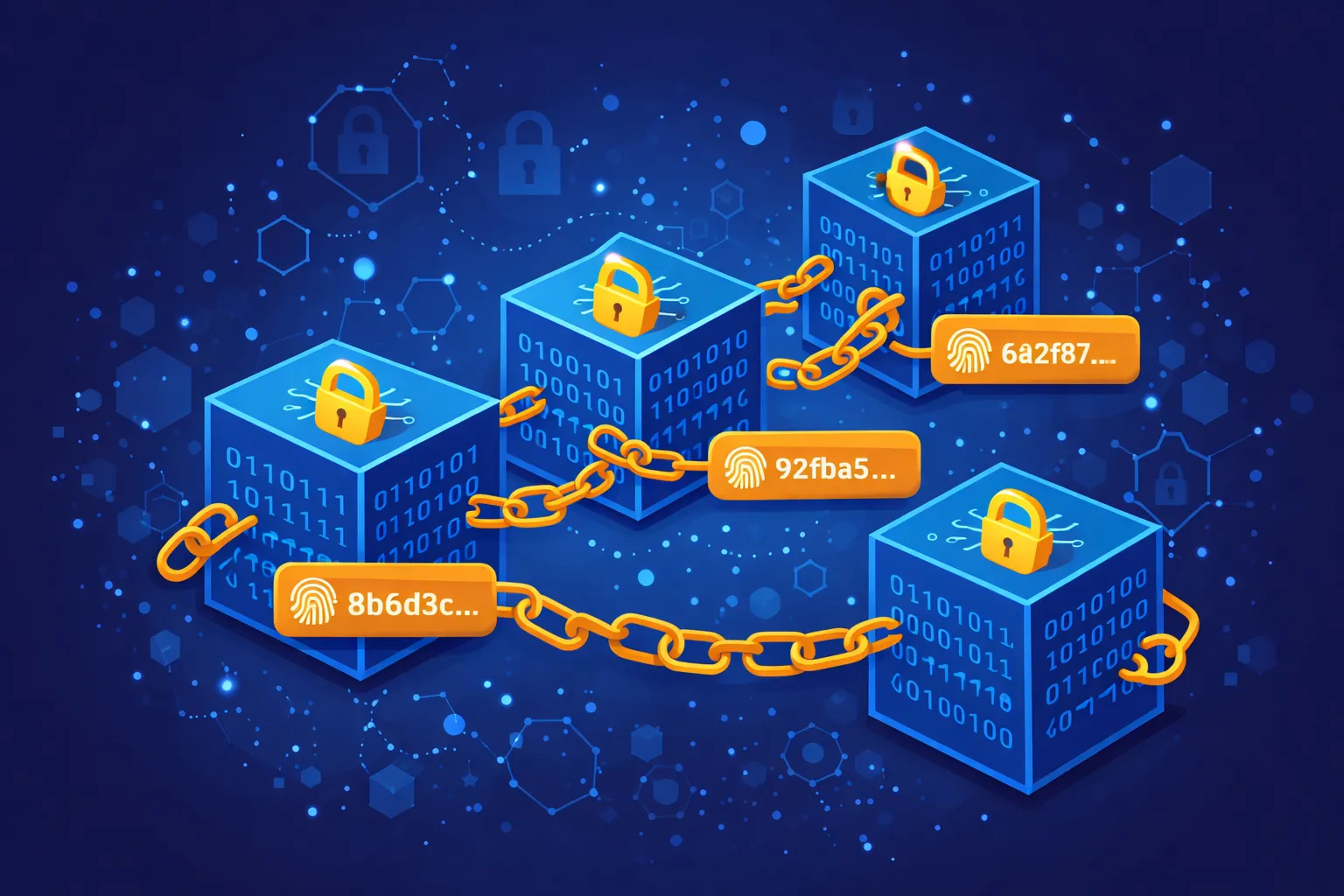
Learn how hashes secure blockchain technology by protecting data, preventing tampering, and keeping transactions trustworthy in simple terms.
Blockchain technology is often described as secure, transparent, and trustworthy. But what actually makes it secure?
One of the key reasons is something called a hash.
A hash plays a central role in how blockchains protect data and prevent tampering. It acts like a digital fingerprint for information stored on the blockchain. Once data is turned into a hash, any small change to that data creates a completely different result. This makes it easy to detect when something has been altered.
In blockchain systems, hashes are used to lock data in place and link blocks together in a secure chain. This connection ensures that transactions cannot be secretly changed or rewritten without being noticed by the entire network.
In this guide, you will learn what a hash is, how it works in simple terms, and why it is so important to the security of blockchain technology.
What Is a Hash?
A hash is a fixed-length string of letters and numbers that is created from data using a special mathematical function. No matter how big or small the original data is, the hash result is always the same length.
You can think of a hash as a digital fingerprint for data.
For example, when information such as a transaction, a message, or a block of data is passed through a hash function, it produces a unique output. This output represents that exact data. If even one small detail changes, the hash changes completely.
This is what makes hashes so powerful.
A hash has three important characteristics that matter in blockchain:
- It is one-way. This means you can create a hash from data, but you cannot reverse the hash to get the original data back. This protects the information stored on the blockchain.
- It is unique. Two different pieces of data will not produce the same hash. Even a tiny change, such as a single letter or number, results in a completely different hash.
- It is consistent. The same input will always produce the same hash. This makes it reliable for checking whether data has been changed.
In blockchain technology, hashes are used to represent transactions and blocks in a secure way. Instead of storing raw data alone, the blockchain stores hashes that act as proof of what the data looked like at the time it was added.
Examples of Hashes Used in Blockchain
Hashes are used in very practical ways inside blockchain systems. Below are clear, real examples that show how hashes are applied and why they matter.
Transaction Hashes
Every transaction on a blockchain is given its own hash. When someone sends crypto, the transaction details (such as sender, receiver, amount, and time) are hashed. This transaction hash acts as a unique ID for that transaction.
If even one detail changes, the transaction hash changes completely. This makes it easy to:
- Track transactions
- Verify that a transaction is real
- Detect tampering
Eg: 4e9b6d2f3a7c1c9a8e5f4b6d7a2c1f9e8d3b4a6c5e7f9a2b1c8d4e6f7
Block Hashes
This hash acts as a seal. If anything inside the block changes, the block hash changes too. This makes it clear that the block has been altered. Each block in a blockchain has its own hash.
A block hash represents:
- All transactions inside the block
- The timestamp
- Other block information
Eg: 0000000000000000000769f1b8c3e2a4d9f6a7b8c1e5d3f9a2b6c4e7
Previous Block Hash
One of the most important uses of hashing in blockchain is the previous block hash. Every new block stores the hash of the block before it. This creates a strong link between blocks and forms a chain.
If someone tries to change an old block:
- Its hash changes
- The next block no longer matches
- The chain breaks
Eg: 0000000000000000000a4f9c8b7d2e3a1c5f6b9e8d4a7c2f1b6e9a3d
Wallet and Address Hashing
Blockchain addresses are also created using hashing. Public keys are passed through hash functions to generate wallet addresses. This adds an extra layer of privacy and security, helping protect users from certain types of attacks.
Eg: 0x742d35Cc6634C0532925a3b844Bc454e4438f44e
Why Hashes Look Random
Hashes look random because:
- They are generated mathematically
- They are designed to hide original data
- They change completely when input changes
Even this small change: Hello vs hello produces two completely different hashes.
How Hashes Are Used in Blockchain
Hashes are used at several important points in a blockchain to keep data secure, organised, and trustworthy. They are not added randomly. Each use of a hash has a specific role in protecting the system and making sure data cannot be secretly changed.
Hashes Secure Transaction Data
When transactions are created, their details are passed through a hash function. This produces a unique hash that represents those transactions.
Instead of relying only on raw transaction data, the blockchain uses hashes to confirm that the information has not been changed. If even a small detail in a transaction is altered, the hash changes immediately.
Hashes Are Used to Build Blocks
Every block in a blockchain contains a hash of its own data. This hash acts as a summary of everything inside the block, including transactions, timestamps, and other important details.
If anything inside the block is changed, the hash also changes. This makes it very easy to detect when a block has been tampered with.
Hashes Link Blocks Together
Each block stores the hash of the previous block. This is what creates a chain of blocks.
Because each block depends on the one before it, changing an earlier block breaks the connection to the next block. This makes tampering visible across the entire blockchain, not just in one place.
Hashes Help Verify New Blocks
Hashes are also used during block verification. When a new block is added, network participants check the hash to confirm that the data is valid and matches what others see.
If the hashes do not match, the block is rejected and not added to the blockchain.
How Hashes Protect Blockchain Data
Hashes protect blockchain data by making it extremely easy to detect changes and almost impossible to alter information without being noticed.
When data is added to a blockchain, it is first converted into a hash. This hash becomes part of the block and acts as a summary of all the information inside that block. Because hashes are unique, any change to the data inside the block will result in a completely different hash.
Each block in a blockchain also contains the hash of the previous block. This creates a strong link between blocks. If someone tries to change the data in one block, the hash of that block changes. This immediately breaks the connection to the next block, alerting the network that something is wrong.
This chain of hashes is what gives blockchain its immutability. Once data is recorded, it cannot be quietly edited or replaced. To successfully change one block, an attacker would need to change the hashes of that block and every block after it across the entire network, which is extremely difficult and unrealistic.
Hashes also help the network verify data quickly. Nodes can compare stored hashes to confirm that the data they have matches what everyone else has. If the hashes do not match, the data is rejected.
Why Hashes Make Blockchain Trustworthy
Hashes make blockchain trustworthy because they ensure that data cannot be changed without everyone knowing. Trust in a blockchain does not come from a single company or person. It comes from the system itself, and hashes are a key part of that system.
Hashes Prevent Hidden Data Changes
When information is added to a blockchain, it is turned into a hash and stored permanently. If the data changes in any way, the hash changes completely.
Because of this, the network can quickly detect when something has been altered. Users do not have to rely on promises or trust an authority. They can trust the technology instead.
Hashes Enable Transparency and Verification
Hashes make blockchain data transparent. Anyone on the network can verify information by checking the hash.
If the hashes match, the data is correct.
If they do not match, the data is rejected.
This shared verification process builds confidence among users, even when they do not know or trust each other.
Hashes Create Immutability
Another reason hashes build trust is immutability. Once data is hashed and recorded on the blockchain, changing it would require changing many connected hashes at the same time.
On large blockchains, this is extremely difficult and unrealistic. As a result, records remain reliable and unchanged over time.
Hashes Remove the Need for Blind Trust
Hashes remove the need to blindly trust people, organisations, or intermediaries. Instead, users trust mathematics and cryptography.
This makes blockchain systems more fair, more secure, and more dependable for everyone involved.
Closing Thoughts About Blockchain Hashes
Hashes may seem like a small technical detail, but they are one of the main reasons blockchain technology works the way it does. They quietly protect data, link blocks together, and make sure information cannot be changed without being noticed.
Understanding hashes helps you understand blockchain itself. Once you see how hashes lock data in place and connect everything together, it becomes clear why blockchain is considered trustworthy by design.
In simple terms, hashes are not just a feature of blockchain security. They are the foundation that makes secure, tamper-resistant, and transparent digital records possible.